The Uncredited Collaborator: A UK DBA Protocol for Generative AI Disclosure and Verification

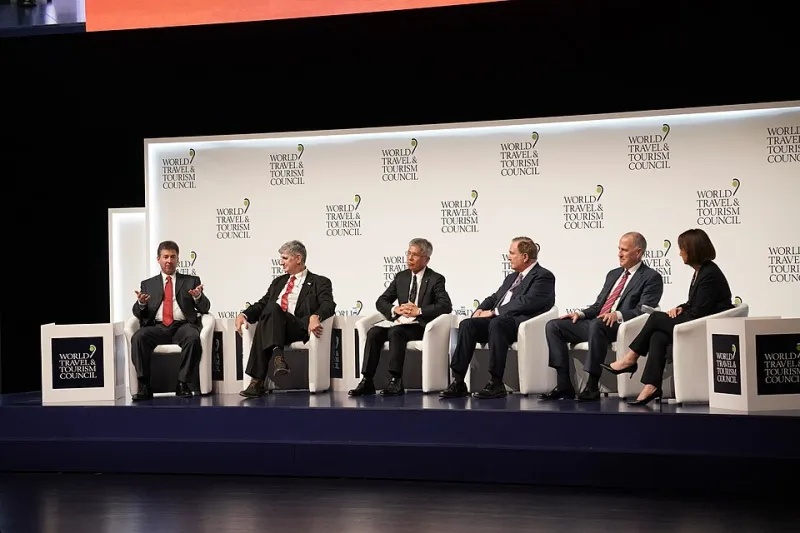
Photo: Frank Schulenburg, CC BY-SA 4.0, via Wikimedia Commons
Generative AI is now a routine presence in executive study. UK DBA candidates use it to scan literatures, draft interview schedules, suggest coding frames and debug statistical scripts. The question is no longer whether it will be used, but whether its use can survive the scrutiny of a supervisor, an ethics committee and a viva voce examination. The answer depends less on the tool than on the discipline of the researcher using it.
A Doctor of Business Administration is not a test of technical fluency. It is a test of independent scholarly judgement. Generative AI can support that judgement; it cannot supply it. The distinction matters because DBA research often sits close to the candidate's employer, clients or professional reputation. An unverified citation or an undisclosed analytical shortcut is not merely an academic matter. It is a credibility risk that follows the graduate into the boardroom.
Assistance, substitution and the originality test
The first practical distinction is between assistance and substitution. Assistance occurs when a tool helps a candidate to work more efficiently while the candidate retains intellectual control. Substitution occurs when the tool supplies the judgement, interpretation or wording that the candidate later presents as their own.
Using a generative model to identify possible search terms for a systematic literature review is assistance, provided the candidate then runs the searches in reputable databases, reads the sources and verifies every citation. Asking a model to summarise a paper the candidate has not read is substitution of a basic scholarly function. Using AI to suggest alternative ways of grouping qualitative codes is assistance, provided the candidate audits the groupings against the transcript and can explain why each code was retained or rejected. Allowing a model to generate the findings section is substitution of the research itself.
UK DBA programmes increasingly emphasise impact and reflexivity. Both depend on the candidate's own reasoning being visible. Examiners are entitled to ask how a conclusion was reached, not merely whether it is plausible. A candidate who cannot reconstruct the analytical chain without the tool has not demonstrated doctoral capability.
A three-tier disclosure model
Disclosure should be proportionate but explicit. A useful approach for UK candidates is to agree a three-tier model with the supervisor at the outset and to record it in the research diary or supervision log.
Tier one: preparatory assistance. This covers low-risk uses such as brainstorming search terms, improving the readability of a candidate's own notes, or generating practice questions for a viva. These uses should be noted briefly in the research diary, including the tool, date and purpose. They rarely require formal ethics amendment, but they should not disappear from the record.
Tier two: substantive analytical assistance. This covers uses that shape the research process, such as coding support, script generation, data visualisation or text summarisation. These should be disclosed to the supervisor in writing and, where the ethics committee's application form requires it, included in the approved protocol. The candidate should retain enough detail for a third party to understand what the tool did and what the candidate did independently.
Tier three: prohibited substitution. This covers generating primary data, fabricating references, producing findings or conclusions, drafting substantial sections of the thesis for insertion without acknowledgement, and processing confidential or personal data in tools that have not been approved under UK GDPR requirements. These uses should be treated as research misconduct risks, not as matters of stylistic preference.
The terminology will vary between institutions. Some UK universities now refer to 'generative AI' in academic integrity policies; others use 'AI-assisted tools'. Candidates should map their practice onto the institution's language and keep a copy of the relevant policy with their supervision records.
The verification checklist
Disclosure alone is not enough. Every substantive use of generative AI should be followed by verification that the candidate can defend in supervision and in the viva. The following checklist is deliberately practical.
- Citations: Confirm every reference against the publisher, DOI or institutional library record. Do not accept a model-generated citation until the source has been opened and read.
- Literature claims: Check that the cited work actually supports the proposition attributed to it. Generative tools can produce plausible but inaccurate summaries.
- Data analysis: Re-run scripts independently, inspect outputs and retain a reproducible record of prompts, versions and changes. A model-generated script is not evidence until it has been tested.
- Coding and themes: Keep an audit trail from raw transcript to code to theme. Be prepared to explain why a code was merged, renamed or discarded.
- Drafting: Use AI for structure, clarity or alternative phrasing only where the argument remains the candidate's own. Final prose should be reviewed line by line for accuracy and voice.
- Confidentiality: Never enter identifiable participant data, commercially sensitive employer information or unpublished third-party material into a public model. Check whether the tool's data processing terms meet UK GDPR and your institution's requirements.
- Ethics approval: Confirm whether the approved protocol permits the intended use. If it does not, seek an amendment before proceeding.
- Version control: Record tool name, version, date and a short description of the task. This is not bureaucracy; it is the evidence base for your defence.
The viva test and executive credibility
The viva is where disclosure becomes tangible. Examiners may ask which parts of the analysis were assisted, how outputs were verified and what the candidate would have done differently without the tool. A confident, specific answer demonstrates scholarly control. A vague answer suggests that the tool, not the candidate, carried the argument.
The same test applies beyond the university. Executives are increasingly asked to assure boards that AI-supported work has been governed properly. A DBA graduate who can articulate a clear protocol for disclosure, verification and confidentiality is better placed to lead that conversation. The doctoral habit of documenting judgement is directly transferable to the governance of AI in organisations.
A defensible position in 2026
UK research integrity guidance, funder policies and institutional academic integrity regulations are converging on a simple expectation: transparency plus independent verification. Candidates should not wait for a single national rulebook. They should agree a protocol early, record it consistently and apply it without exception.
Generative AI can be a useful co-researcher in the margins of doctoral work. It cannot be the author of the thesis, the interpreter of the data or the guarantor of the claim. The candidate who understands that distinction protects both the doctorate and the executive reputation that follows it.